How Water Sneaks Into Heating Oil Tanks

Water in oil tank can result in costly damage and reduced heating efficiency. At Miller Oil Company, serving the Greater Enfield, Connecticut area, we help homeowners identify the causes of water buildup in oil tanks and provide reliable solutions to keep their heating systems protected and running efficiently.
This article explores the typical sources of water contamination, including tank condensation and external leaks, and outlines practical measures to maintain fuel quality and avoid costly repairs. By taking proper precautions, you can keep your heating system clean, efficient, and reliable all year long.
Dependable Heating Oil Delivery You Can Trust: Maintain a full tank and prevent water buildup. Contact Miller Oil Company today!
How Water Gets Into Your Oil Tank
Contents
- 1 How Water Gets Into Your Oil Tank
- 2 Moisture Buildup from Condensation in Outdoor Heating Oil Tanks
- 3 Impacts of Water Contamination in a Home Heating Oil Tank
- 4 Preventive Maintenance and Professional Oil Tank Care
- 5 Water in Oil Tank: Frequently Asked Questions
- 5.1 How Can I Identify Hidden Water in an Underground Oil Tank?
- 5.2 Can Water in My Oil Tank Harm My Heating Equipment?
- 5.3 What Are the Warning Signs of Water Contamination in My Heating Oil Tank?
- 5.4 What Maintenance Steps Help Improve My Tank’s Resistance to Moisture?
- 5.5 Are Modern Oil Tanks More Resistant to Water Intrusion Than Older Ones?
- 6 Conclusion
- 7 Contact Miller Oil Company for Trusted Heating Oil Delivery Services

Water can enter your oil tank in several ways, and knowing the root causes is essential to avoid future problems. Below, we’ll look at the most common reasons moisture accumulates in your tank and how you can effectively prevent or resolve these issues.
Keep Your Heating System Safe with Professional Oil Tank Care: Whether you need an inspection or a new installation, Miller Oil Company is here to help. Call us today!
Moisture Buildup from Condensation in Outdoor Heating Oil Tanks
Condensation develops inside outdoor heating oil tanks when warm air comes into contact with the tank’s cold metal surface, leading to the formation of water droplets inside. This issue is especially prevalent when there are significant temperature differences between the surrounding air and the tank.
Furthermore, the humid air trapped in the empty space above the fuel encourages repeated condensation cycles, resulting in greater moisture accumulation over time.
Inadequate ventilation around the tank can worsen the issue by keeping damp air trapped against its surface, preventing proper airflow, and allowing condensation to persist. As time passes, this trapped moisture can lead to contaminated heating oil and reduced system performance.
Damaged Oil Tank Components: Faulty or Missing Filler and Vent Caps

When filler or vent caps are damaged, your heating oil tank becomes more vulnerable to moisture intrusion. Cracked or worn gaskets around the filler opening can let rainwater or melting snow seep inside, introducing unwanted moisture into the fuel supply.
Likewise, loose, poorly fitted, or missing vent caps on fill ports and vents allow humid air and water to enter the tank, increasing the risk of fuel contamination and corrosion over time.
When zinc flappers become clogged or corroded, they can no longer prevent moisture from getting into the tank, which weakens its structure and leads to gradual deterioration. Scheduling routine inspections of oil tank breathers and seals is crucial to avoid moisture damage and maintain the system’s integrity.
Invest in a Reliable New Oil Tank: Upgrade your old system to a durable, high-performance model. Contact Miller Oil Company today!
Cracks and Weld Failures in Heating Oil Tanks
Corrosion is one of the leading causes of structural damage in heating oil tanks. When rust forms beneath paint or insulation, it can create small holes and fractures that let water enter the tank, leading to fuel contamination. Weld seam failures are another major concern, as stress points along factory seams or previous repair welds can crack over time and cause leaks.
Physical damage, such as accidental impacts or a shifting foundation, can also weaken the tank walls and create fractures. These structural problems, including corrosion cracks and weld seam leaks, reduce the tank’s durability and can lead to costly repairs and compromised fuel quality.
External Water Intrusion in Outdoor Fuel Oil Tanks

Water can enter a fuel oil tank from outside sources in several ways, resulting in contamination. Flooding in basements or heavy rainfall can cause water to collect around the tank, seeping in through damaged seals or small openings.
For underground tanks, a high water table may allow groundwater to penetrate unsealed tank walls, leading to serious fuel contamination. Poor drainage caused by improper grading or missing gutter systems can make the problem worse by allowing water to pool near the tank. Ensuring proper drainage and sealing helps keep water out and protects fuel quality.
Avoid Interruptions with Planned Oil Deliveries: Keep your tank full and free from moisture this season. Contact Miller Oil Company today!
Environmental and Location Factors
Environmental conditions and tank placement significantly influence how moisture infiltrates oil tanks. In areas with high humidity, such as coastal regions or damp indoor spaces like laundry rooms or bathrooms, tanks are more likely to experience condensation and water accumulation.
Seasonal temperature fluctuations can further intensify this issue, as quick shifts between warm and cold air cause condensation to form on the tank’s surfaces. Recognizing these environmental and indoor humidity factors allows homeowners to take preventive measures that protect fuel quality and reduce moisture buildup.
Impacts of Water Contamination in a Home Heating Oil Tank

When water seeps into a heating oil tank, it can cause major problems for the tank and the overall heating system. Below is one of the most common effects:
- Microbial Growth and Sludge Accumulation: Water that settles at the bottom of the tank creates a breeding ground for bacteria and fungi, often referred to as the “diesel bug.” These microorganisms feed on the oil and multiply, producing thick sludge that can block filters, restrict fuel movement, and interfere with proper system operation.
- Corrosion and Pitting in Heating Oil Tanks: When moisture becomes trapped inside the tank, it speeds up internal rust formation, resulting in corrosion and small pits along the metal surface. Over time, this deterioration weakens the tank’s structure, increases the risk of leaks, and shortens its lifespan. It represents a common consequence of moisture-related corrosion in heating systems.
- Heating System Performance Decline: Water contamination can lead to clogged filters, burner misfires, and reduced combustion efficiency. These problems hinder the system’s overall performance, causing more frequent breakdowns, costly maintenance, and higher energy consumption. These issues can significantly affect home heating reliability.
Comprehensive Oil Tank Replacement Solutions: Count on Miller Oil Company for expert installations and lasting reliability. Contact us today!
Preventive Maintenance and Professional Oil Tank Care
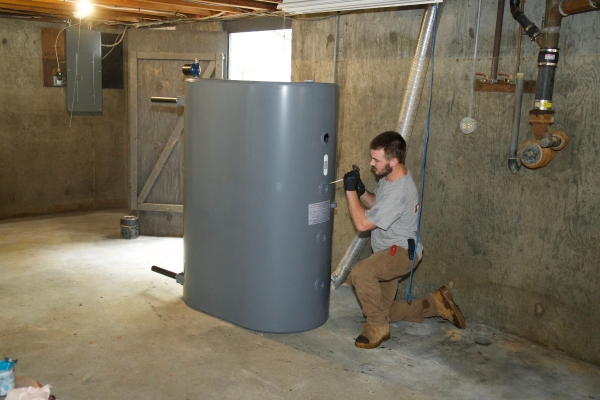
Implementing preventive measures is essential to protect your oil tank from water contamination and to extend the life of your heating system. By following these maintenance practices, you can prevent costly issues and maintain peak system performance:
- Keep the Tank Properly Filled: Maintain your oil tank at or above 80% capacity to limit the amount of empty space where moisture can form. This reduces condensation and helps prevent excess air from introducing humidity into the tank.
- Use High-Quality Breather and Filter Systems: Installing desiccant breathers and water-separating filters on fill and fuel lines can intercept moisture before it reaches the fuel supply. These systems are key in preventing water intrusion and maintaining fuel cleanliness.
- Schedule Regular Professional Inspections: Routine inspections performed by trained technicians ensure all seals, vents, and fittings remain in good condition. Detecting early signs of wear or damage helps prevent leaks, corrosion, and contamination, keeping your system reliable year-round.
Preserve Fuel Quality All Year Long: Schedule regular heating oil deliveries and expert tank inspections with Miller Oil Company. Call us today!
Water in Oil Tank: Frequently Asked Questions

How Can I Identify Hidden Water in an Underground Oil Tank?
Certified technicians utilize advanced detection tools, including water-finding paste applied to dipsticks and electronic moisture probes, to locate water buildup inside buried tanks. These techniques accurately identify water layers at the tank’s base, allowing issues to be resolved before the contamination affects your heating system.
Can Water in My Oil Tank Harm My Heating Equipment?
Yes. Even minimal water presence can encourage microbial growth, often called the “diesel bug,” which produces sludge that blocks filters and injectors. Moisture can also corrode vital components, such as pump seals and nozzle assemblies, causing burner misfires, poor combustion efficiency, and potentially costly repairs or complete equipment breakdown over time.
What Are the Warning Signs of Water Contamination in My Heating Oil Tank?
Watch out for these common symptoms:
- Cloudy or Layered Fuel Samples: When you draw a fuel sample using a clear syringe, visible water separation or sediment at the bottom suggests contamination.
- Frequent Filter Clogs: If filters continue to block quickly even after replacement, water-related debris or microbial sludge may be circulating through the system.
- Discolored or Smoky Flame: A yellowish or sooty burner flame often signals water in the fuel, which disrupts proper combustion and produces excess smoke.
- Irregular Burner Operation: Short cycles, hard starts, or inconsistent burner performance can occur when moisture interferes with steady fuel flow.
Prevent Expensive Repairs: Upgrade corroded tanks before they leak. Schedule your oil tank replacement with Miller Oil Company today!
What Maintenance Steps Help Improve My Tank’s Resistance to Moisture?
- Maintain Proper Fuel Levels: Keep the tank between 80% and 90% full to minimize empty space where humid air can condense.
- Enhance Airflow and Insulation: Use dehumidifiers or exhaust fans near the tank and add insulation or a protective jacket to stabilize temperatures.
- Add Desiccant Breathers and Water-Blocking Filters: These components capture moisture before it enters the fuel system.
- Use Fuel Additives: Apply approved biocide and anti-condensation treatments as directed to absorb water and control microbial growth, supporting overall moisture protection.
Are Modern Oil Tanks More Resistant to Water Intrusion Than Older Ones?
Yes. Newer oil tank models are built with advanced features, including seamless, factory-welded construction, corrosion-resistant interior linings, and upgraded vent caps with built-in moisture barriers. These innovations minimize leaks and condensation, making them far less vulnerable to water infiltration than older uncoated or conventional steel tanks.
Conclusion
Water can infiltrate your oil tank through condensation, damaged caps, corrosion, or poor drainage around the tank. These problems can contaminate heating oil and reduce your system’s efficiency, making proactive care essential for dependable performance. Routine maintenance and professional inspections help prevent expensive repairs and keep your oil tank operating safely and effectively.
If you suspect water in your oil tank, contact Miller Oil Company in the Greater Enfield, Connecticut area for expert inspections, professional maintenance, and reliable heating oil solutions. Trust our local specialists to safeguard your heating system and ensure consistent comfort throughout the year.
Trust Miller Oil Company, Your Local Heating Oil Specialists: Schedule your next delivery today for dependable, stress-free warmth. Call us now!
Contact Miller Oil Company for Trusted Heating Oil Delivery Services
Miller Oil Company is dedicated to keeping homes and businesses throughout the Greater Enfield, Connecticut area warm and comfortable with dependable heating oil delivery. We provide high-quality fuel quickly and efficiently so you can enjoy consistent warmth without worry. Our commitment to outstanding service includes competitive pricing, clear communication, and a customer-first approach focused on your comfort.
We offer flexible delivery options and convenient financing programs, allowing you to tailor your fuel plan to meet your household’s needs. Every customer receives attentive, personalized service to ensure a comfortable, stress-free winter season.
In addition to heating oil delivery, Miller Oil Company provides a wide range of HVAC services, including professional installation, preventive maintenance, and emergency repairs. We are your trusted partner for complete home comfort solutions.
Choosing Miller Oil Company means working with a dependable provider known for consistency, professionalism, and genuine customer care. Contact us today to arrange your next delivery or learn more about our comprehensive services.
To schedule a service appointment, contact Miller Oil Company today. We also offer free, in-home estimates. Click the link to view our service area.
Related Articles: