Advancements In Oil Storage Tank Design And Protection

For many years, heating oil tanks have been a dependable and budget-friendly option for heating residential and commercial spaces. Thanks to technological advancements, these tanks have undergone significant design and safety improvements over time.
This progress is vital for enhancing efficiency, reducing environmental impact, and ensuring the safety of users and nearby communities. In this article, Miller Oil Company, a trusted provider of heating oil delivery services, explores the latest innovations in oil storage tank design.
Ensure Quality Service: Reach out to Miller Oil Company for premium heating oil delivery and dependable oil tank replacements! Contact Us Today!
The Progression of Heating Oil Tank Design
Contents
- 1 The Progression of Heating Oil Tank Design
- 2 Early Fuel Oil Tank Designs and Their Limitations
- 3 Recent Advancements in Oil Tank Design
- 4 Case Studies of Contemporary Heating Oil Tank Designs
- 5 Technological Innovations Shaping Heating Oil Tank Design
- 6 Ongoing Challenges and Future Prospects
- 7 Oil Tank Replacement FAQs
- 7.1 How Can I Determine if My Heating Oil Tank Requires Replacing?
- 7.2 How Often Should Heating Oil Tanks Be Inspected?
- 7.3 Are Heating Oil Tanks Recyclable or Disposed of Properly?
- 7.4 How Does Location Affect the Choice of Oil Tank?
- 7.5 Do Tax Incentives or Rebates Apply for Upgrading to Modern Heating Oil Tanks?
- 8 Conclusion
- 9 Trust Miller Oil Company for Expert Home Comfort Services
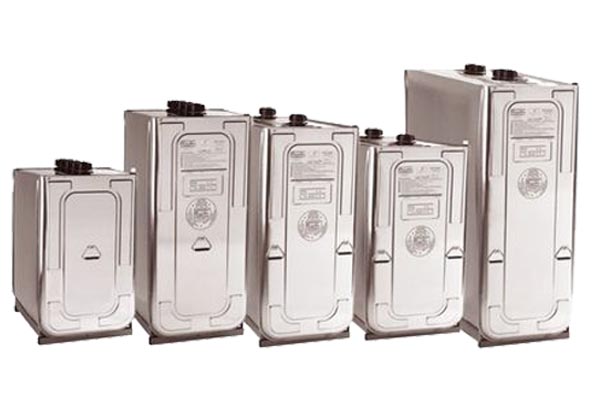
Recognizing the advancements in heating oil tank design helps highlight the importance of today’s innovations in this sector. Early models of heating oil tanks were basic in design, often constructed from steel and installed either above or below ground.
These tanks have long been essential for storing heating oil in residential and commercial settings. Their primary role is to supply fuel to a furnace or boiler, enabling the heating of buildings.
Get Trusted Service: Contact Miller Oil Company for expert heating oil delivery and efficient oil tank replacements! Call Us Now!
Early Fuel Oil Tank Designs and Their Limitations
The original fuel oil tanks were simple, single-walled steel structures. Though effective in storing and delivering oil, several issues became clear over time. These steel tanks were susceptible to corrosion and rust, which could lead to dangerous leaks.
Such leaks were costly, wasteful, and presented significant environmental threats. Furthermore, identifying leaks in these early models was often challenging until severe damage had already occurred.
Underground oil tanks introduced additional challenges. Over time, exposure to the surrounding soil and groundwater could cause significant wear, accelerating the corrosion process. Moreover, detecting leaks in underground tanks was even more difficult, which heightened the risk of widespread soil and groundwater contamination before the leak could be identified and addressed.
Recent Advancements in Oil Tank Design

Acknowledging the drawbacks of traditional heating oil tanks, industry leaders began developing enhanced tanks to solve these problems. One key advancement was the creation of double-walled tanks. This design has an inner tank for oil storage, surrounded by an outer tank that acts as a safeguard, containing any potential leaks from the inner tank. This added layer offers improved environmental protection and prevents oil leaks.
Along with structural improvements, the materials used in heating oil tank construction were also upgraded to enhance durability and safety. Fiberglass, for example, gained popularity due to its resistance to corrosion, making it an ideal choice for longer-lasting and more reliable tanks.
Boost Your Heating Efficiency: Contact Miller Oil Company for top-quality heating oil services and advanced tank installations! Call Today!
Case Studies of Contemporary Heating Oil Tank Designs
Modern heating oil tank designs integrate these advancements for safer, more durable solutions. An example is the Roth Double-Walled Oil Storage Tank, which features a robust steel inner tank and a corrosion-resistant outer tank, ensuring enhanced safety.
The outer tank also has an oil monitor, allowing for early leak detection and reducing environmental risks. Another notable design is the Granby 2-in-1 Fiberglass Oil Tank, which blends the strength of fiberglass with a modern double-wall construction for improved durability.
The evolution of heating oil tank design emphasizes the industry’s dedication to overcoming the challenges of older models, particularly regarding safety and environmental responsibility. With ongoing technological advancements, we can anticipate even more innovations in this area in the future.
Technological Innovations Shaping Heating Oil Tank Design

Continue reading to discover how technological breakthroughs are transforming oil tank design.
Advancements in Materials and Manufacturing Techniques
The advancement of materials and production methods has significantly impacted the heating oil tank industry. Innovations in materials science have resulted in the utilization of corrosion-resistant substances like fiberglass and polyethylene, which greatly improve tank durability. Additionally, enhanced welding methods and cutting-edge manufacturing processes have resulted in sturdier, leak-proof designs.
Enhance Your Energy Efficiency: Contact Miller Oil Company for exceptional heating oil delivery and effective oil tank upgrades! Call Today!
The Role of AI and IoT in Monitoring and Maintaining Heating Oil Tanks
Emerging technologies like artificial intelligence (AI) and the Internet of Things (IoT) have played a key role in modernizing heating oil tank design. These innovations enable remote monitoring of oil levels and tank health, allowing for predictive maintenance and early identification of potential problems.
Sustainable Tank Designs for Lower Environmental Impact
As sustainability becomes a greater priority, eco-friendly tank designs have emerged. These include tanks constructed from recyclable materials and innovative designs that help prevent problems for users of oil-based heating systems, reducing their overall environmental footprint.
Advancements in Heating Oil Tank Safety

- Safety Concerns with Traditional Oil Tanks: Traditional heating oil tanks, especially those made from steel, have been linked to various safety risks. These include the possibility of leaks, which can cause environmental damage, create fire hazards, and pose health threats to nearby individuals.
- Emergence of Safety Features and Regulations: Significant safety features have been incorporated into modern tank designs to address these risks. Innovations like double-wall structures and integrated leak detection systems are now common. Additionally, regulations require regular inspections and strict compliance with specific design and installation guidelines.
- The Impact of Sensor Technology on Tank Safety: Sensor technology is vital in enhancing the safety of heating oil tanks. Sensors monitor oil levels, detect leaks, and trigger alerts when maintenance is needed. This improves safety, boosts operational efficiency, and extends the tank’s lifespan.
- Examples of Safety Innovations: Leading tank manufacturers have pioneered safety improvements. For instance, Roth’s safety oil tanks incorporate a double-wall design with leak detection, while Granby’s EcoGard tank features a durable construction with advanced corrosion-resistant coatings.
Rely on Excellence: Choose Miller Oil Company for reliable heating oil delivery and expert oil tank replacement services! Call Today!
The Effects of Design and Safety Innovations
- Cost Efficiency and Savings: Innovations in heating oil tank design and safety significantly improve cost savings and operational efficiency. Tanks constructed with stronger, longer-lasting materials reduce the frequency of replacements. Furthermore, AI and IoT-driven remote monitoring and maintenance help detect potential issues early, preventing expensive repairs and failures.
- Environmental Impact: The most important environmental benefit of these innovations is the reduction of oil spills and leaks. These advances help protect the soil and groundwater by minimizing the risk of such events, preserving local ecosystems and water resources.
- Health Impact: Enhanced safety features and leak detection systems are vital for protecting public health. These innovations reduce the chances of exposure to harmful oil leaks and prevent fire hazards, ensuring a safer environment for communities.
Ongoing Challenges and Future Prospects

Although there has been significant progress, challenges remain in the widespread adoption of new designs and safety innovations. These challenges include the high cost of advanced technologies and the need for broader enforcement of regulatory standards.
Looking ahead, the industry can expect further advancements, including integrating more sophisticated AI and IoT technologies, developing even stronger materials, and placing a greater emphasis on eco-friendly tank designs.
The outlook for heating oil tank design and safety is bright, with technology playing a key role in advancing efficiency, safety, and environmental responsibility. Continued research and development are likely to result in even more groundbreaking solutions in the near future.
Trust the Experts: Choose Miller Oil Company for trustworthy heating oil delivery and professional oil tank installations! Call Today!
Oil Tank Replacement FAQs

How Can I Determine if My Heating Oil Tank Requires Replacing?
Indicators that your heating oil tank may need replacing include noticeable rust, corrosion, or dents on its surface. Additionally, oil odors or wet spots around the tank may signal leaks. A sudden or unexplained decrease in oil levels could also point to a structural issue or leak. Tanks over 20 years old are especially vulnerable to these problems and should be assessed for replacement with newer, safer, and more efficient models.
How Often Should Heating Oil Tanks Be Inspected?
It is recommended that heating oil tanks undergo a professional inspection at least once a year to check for potential issues like leaks, structural damage, or corrosion. Regular inspections help ensure the tank functions safely and efficiently and meets local safety regulations. Routine maintenance extends the tank’s lifespan and helps prevent expensive repairs and environmental risks.
Are Heating Oil Tanks Recyclable or Disposed of Properly?
Yes, heating oil tanks can often be recycled, especially those made from recyclable materials like fiberglass or polyethylene. Proper disposal involves draining any remaining oil, thoroughly cleaning the tank, and following local environmental regulations regarding hazardous materials. Many manufacturers or service providers assist with recycling and safe disposal to ensure compliance and minimize ecological impact.
Count on Miller Oil Company to Keep You Comfortable: Dependable Heating Oil Services and Professional Tank Replacements! Call Today!
How Does Location Affect the Choice of Oil Tank?
Location is crucial in choosing the right oil tank. Aboveground tanks are more accessible for maintenance and inspections, making them a preferred option for residential settings. On the other hand, underground tanks require durable and corrosion-resistant materials to handle soil pressure and moisture, though they save space and are less noticeable. The choice should balance practical requirements, aesthetic preferences, and environmental factors, with professional guidance to ensure the best fit.
Do Tax Incentives or Rebates Apply for Upgrading to Modern Heating Oil Tanks?
In many areas, tax incentives, rebates, or financial assistance programs are available for upgrading to modern, eco-friendly heating oil tanks. These initiatives support the adoption of safer, more sustainable designs, such as double-walled or fiberglass tanks, which help reduce environmental risks. To take full advantage of these benefits, homeowners and businesses should explore local programs or consult with professionals knowledgeable about energy-efficiency initiatives and regulatory compliance.
Conclusion
The evolution of heating oil tank design and safety showcases a continuous effort to enhance this essential industry. Incorporating advanced materials, cutting-edge technologies, and environmentally friendly designs has already made a significant difference, with even greater potential for future advancements. Ongoing innovation in this sector is crucial for promoting sustainable and safe heating oil usage.
Commit to Excellence: Choose Miller Oil Company for exceptional heating oil services and hassle-free oil tank replacements!
Trust Miller Oil Company for Expert Home Comfort Services
Miller Oil Company is dedicated to providing top-tier heating oil services to residential and commercial clients throughout the Greater Enfield, Connecticut area. We prioritize fast, efficient delivery to ensure your space stays warm and welcoming. Our commitment to excellence is reflected in our competitive pricing and clear communication, making your satisfaction our number one goal.
Choosing Miller Oil Company means working with a provider known for outstanding service and a strong focus on customer satisfaction. Whether it’s a cold winter day or a crisp fall evening, we’re here to handle all your heating needs and maintain a comfortable environment year-round.
In addition to heating oil delivery, Miller Oil Company offers various HVAC services to make sure your systems run at peak efficiency. Our team of certified HVAC technicians delivers expert service tailored to your needs.
Trust Miller Oil Company to fuel your home and optimize your heating and cooling systems. Contact us today to begin your service and experience the Miller Oil Company difference!
To schedule a service appointment, contact Miller Oil Company today. We also offer free, in-home estimates. Click the link to view our service area.
Related Articles: