Air Handler vs Furnace: Understanding The Key Differences

Are you hoping your home feels more comfortable? Maybe an aging HVAC system no longer performs well. Explore a proper HVAC replacement from today’s available options.
If this process feels overwhelming, seek guidance from a qualified HVAC professional, such as a representative from Miller Oil Company. If industry terminology causes confusion, review definitions to gain understanding. In this article, we explain the differences between an air handler vs furnace system today.
Ready For Better Home Comfort? Rely on Miller Oil Company for experienced HVAC service and lasting results. Schedule your appointment today!
Air Handlers Or Furnaces: How Do These Systems Compare

You may have heard positive feedback about air handlers and furnaces. Now you may struggle choosing the right option for your home. After all, these units share similar functions with overlapping capabilities. The reality is there is no simple answer. The best selection depends on your specific needs.
Learn their distinctions, benefits, and limitations. Once you understand the fundamentals, making a confident decision becomes much easier.
Looking for Exceptional HVAC Services? Trust Miller Oil Company for skilled service and outstanding results. Call today!
What Defines An Air Handler?
Within a forced-air setup, rooms receive airflow through a system of ducts throughout the home. Keep in mind that air stays still unless some form of force moves it. A strong fan, referred to as a blower, is required to create movement. In HVAC applications, the enclosure housing this blower is known as the air handler.
Beyond air circulation, the air handler includes coils that help regulate indoor temperature and control moisture in the air inside homes. For instance, chilled coils draw heat from nearby air and reduce overall temperature levels. They also cause moisture in the air to condense into water, lowering humidity.
How Does A Furnace Work?
A furnace is a system designed to produce heat through fuel combustion. Many regions across the United States rely on natural gas, while the Northeast commonly uses heating oil. Electric furnace options also exist, though they are less widely used due to lower efficiency.
Each furnace model includes its own internal blower fan. When indoor temperatures fall below the thermostat setting, the furnace begins heating, and the blower activates. The system draws in cool air, heats it, and then distributes warm air through the ductwork.
Need Dependable HVAC Assistance? Rely on Miller Oil Company for trusted service and consistent results. Call today!
The Primary Distinction Between Furnaces And Air Handlers
Understanding how furnaces and air handlers differ starts with how they produce warmth inside your home.
- An Air Handler Cannot Produce Heat The Way A Furnace Can: This component focuses entirely on moving air throughout the duct system. An air handler simply circulates air and does not create heat on its own. Heat generation requires a furnace that uses a fuel source to produce warmth before distributing heated air throughout the home.
- Every Air Handler Uses A Coil To Condition Air: While air handlers do not create heat, they always include coils that influence temperature and humidity. These coils adjust indoor air using heat supplied by an external air conditioner or heat pump. Conversely, furnaces may include coils only if the system is paired with central air conditioning.
How Do Air Handlers And Furnaces Operate Alike?
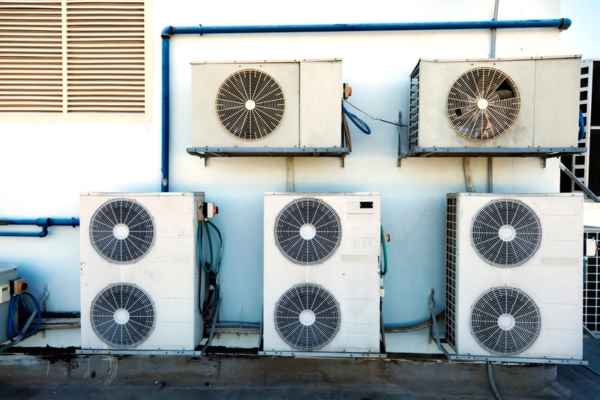
Each manufacturer designs its own versions of these two system types, so you should expect them to share similar components. The similarities listed below will be noticeable:
Both Systems Offer Single And Variable-Speed Blower Options Today
These units come in traditional designs with blowers that operate at one fixed speed. They are either off or running at full output. You can also choose modern models that adjust speeds gradually, shifting from low to high to improve efficiency and overall comfort and performance levels indoors.
Dependable Performance Throughout Winter
Furnaces are trusted systems during cold weather seasons. Their capacity to generate substantial heat allows them to keep homes comfortable even during harsh winter conditions. Air handlers paired with heat pumps can also provide heating during winter, though their effectiveness is limited to milder climates and temperatures.
Experience Dependable HVAC Solutions: Reach out to Miller Oil Company for expert service and lasting confidence. Contact us today!
Both HVAC Systems Respond To Commands From A Thermostat
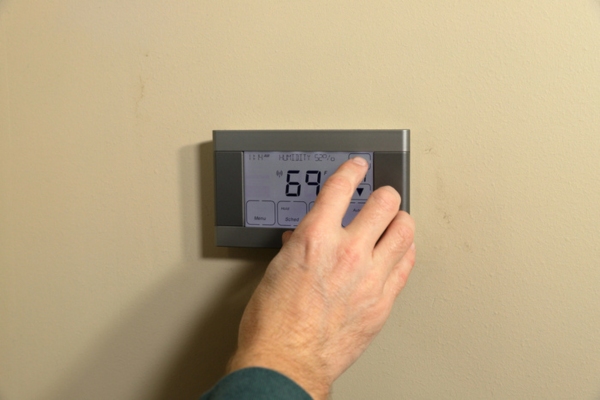
Each of these systems turns on and off according to signals from a thermostat. When a difference exists between selected settings and actual indoor conditions, the blowers activate to move heated air through the ductwork.
Both Systems Are Available In Multiple Size Options
Selecting the right unit size depends on your home’s specific heating demands. An HVAC professional can perform proper load calculations to identify the most suitable system for optimal comfort and efficiency.
Pros And Cons Of Furnaces Compared To Air Handlers
Advantages and Disadvantages Of Furnaces
Furnaces provide powerful heat output, making them effective during extreme cold. Their high efficiency helps reduce energy use and can lead to lower heating costs.
On the other hand, furnaces are less versatile than air handlers paired with heat pumps and may not suit regions with mild winters and hot summers. They also depend on fossil fuels, which can raise environmental concerns.
Advantages and Disadvantages Of Air Handlers
Air handlers work with heat pumps to provide heating and cooling from one system. Their compact size makes installation easier in tighter spaces. Since they do not burn fuel, there is no risk of gas leaks or carbon monoxide exposure.
On the one hand, some air handlers may produce noticeable noise from the indoor blower during operation. Refrigerant leaks can occur through the coil over time if maintenance is neglected. Performance can also decline when outdoor temperatures drop below 30 degrees Fahrenheit.
Searching for High-Quality HVAC Services? Miller Oil Company provides expert care and dependable results. Reach out today!
Which Option Is More Budget-Friendly: An Air Handler Or A Furnace?
A simple side-by-side comparison does not tell the full story because these systems serve different purposes. Furnaces are built to create heat and distribute it, while air handlers are designed strictly to move air. When an air handler is paired with a heat pump, the comparison becomes more practical.
From an upfront cost perspective, purchasing and installing a heat pump system typically costs about twice as much as installing a furnace. While the price difference is noticeable, it does not automatically rule out one option over the other.
It is important to remember that heat pumps provide year-round value by handling heating and cooling needs. However, furnaces are limited to producing heat, which means they are only used during colder seasons.
Air Handler vs Furnace FAQs

How Can You Boost the Heating Efficiency of An Air Handler Or A Furnace?
Improving heating efficiency starts with consistent upkeep, including routine filter replacement and annual professional tune-ups. Sealing and improving ductwork to prevent air loss, along with upgrading to a programmable thermostat, can further reduce energy use while keeping indoor comfort steady and reliable.
What Is The Most Efficient Method For Heating Your Home In Winter?
The most efficient heating approach depends on your home’s unique layout and conditions, but it often includes maintaining steady temperatures with a programmable or smart thermostat. Properly sizing your heating system, improving insulation, and sealing drafts are essential to maximizing efficiency and keeping your home comfortable throughout the winter season.
How Does Climate Affect Choosing Between An Air Handler And A Furnace?
Climate is a key factor when selecting a heating system. Areas with long, severe winters often benefit more from furnaces because of their strong heat output. In regions with milder cold seasons and warmer weather, an air handler combined with a heat pump can be a practical option, delivering efficient heating and cooling from a single system.
Need Professional HVAC Repairs Fast? Miller Oil Company delivers prompt service and effective solutions. Call now!
What Warning Signs Indicate Poor Heating Efficiency?
Typical signs of an inefficient heating system include inconsistent temperatures between rooms, rising energy costs, frequent service calls, and a unit that runs constantly without warming the space properly. These issues often point to an aging system, incorrect sizing, or the need for professional maintenance.
Can An Air Handler Function As The Main Heating System?
An air handler can be used as the primary heating source when it operates alongside a heat pump. This configuration works best in regions with moderate winter temperatures, where extreme cold is uncommon. In this setup, the heat pump generates warmth while the air handler evenly circulates heated air throughout the home.
How Can You Prolong The Lifespan Of Your Air Handler Or Furnace?
Extending the life of your heating system requires consistent care and preventative maintenance. Regular filter cleaning or replacement, sealing duct leaks, and scheduling annual professional inspections allow potential issues to be identified and corrected early. These practices support long-term efficiency, dependable performance, and reliable operation year after year.
Conclusion
With these points in mind, the right choice becomes easier to determine. Homes in regions with mild winters and hot summers are often best served by a heat pump paired with an air handler, providing comfort throughout the year. In areas with mild summers and severe winters, a furnace can be a more cost-effective option with lower upfront expenses. If your climate or needs fall somewhere in between, seeking guidance from an experienced HVAC professional is the best way to make an informed decision.
Looking for Dependable HVAC Services You Can Count On? Turn to Miller Oil Company for complete comfort support. Call today!
Contact Miller Oil Company For Complete HVAC Services
Miller Oil Company delivers dependable heating and cooling solutions to homeowners throughout the Greater Enfield, Connecticut area. Our team consists of professionally certified technicians who provide expert HVAC tune-ups, repairs, system installations, and full replacements. Each technician brings the training and hands-on experience needed to service your HVAC system with accuracy and care.
Miller Oil Company is committed to offering fair and competitive rates for heating and cooling services across the region. Our maintenance solutions are designed to enhance comfort, improve energy efficiency, and help lower overall heating and cooling expenses. When a repair or system replacement is needed, our experts recommend options that suit your home and budget.
A satisfaction guarantee backs all work. To schedule your service appointment, contact Miller Oil Company today. We provide free, in-home estimates.
To schedule a service appointment, contact Miller Oil Company today. We also offer in-home estimates. Click the link to view our service area.

Related Articles: