A Homeowner’s Guide To Heating Oil Budgeting
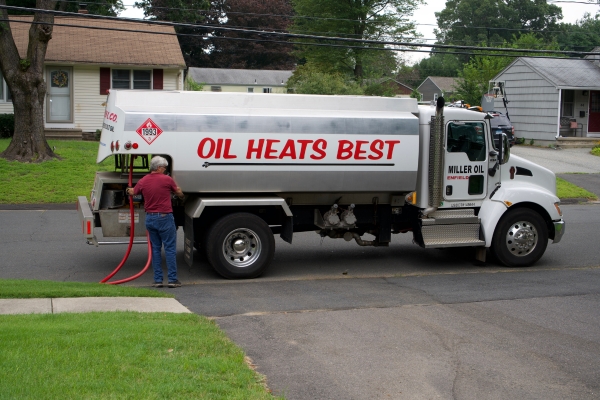
Heating oil budgeting during winter requires a clear picture of your household’s fuel consumption and anticipated heating costs. As colder weather arrives, increased fuel usage and changing oil prices can affect monthly expenses. By reviewing past heating bills, forecasting future deliveries, and setting aside funds in advance, you can keep your heating budget more predictable and avoid unexpected financial pressure.
This article explores effective ways to budget for heating oil throughout winter, including calculating fuel requirements, preparing for seasonal expenses, tracking market prices, and reducing overall heating costs without sacrificing comfort.
Practical Ways to Estimate Winter Heating Oil Expenses in Hartford and Tolland Counties, CT

Planning your winter heating oil budget involves more than checking your tank’s fuel level. Knowing your household’s typical consumption patterns allows you to anticipate expenses and reduce the risk of running low during extreme cold. Identifying what affects your heating oil requirements is an important first step toward managing seasonal costs effectively.
1. Calculate Your Expected Heating Fuel Consumption
To forecast your winter heating oil needs, first determine your tank’s storage capacity and its impact on delivery frequency. A standard residential heating oil tank holds 275 gallons, although other models may accommodate anywhere from 120 to 330 gallons or more.
Homes with larger tanks have greater flexibility in scheduling deliveries, whereas smaller tanks need more frequent fuel-level checks, particularly during freezing temperatures. Knowing how much oil your tank can hold helps you anticipate refills and establish a reliable delivery schedule.
Daily fuel consumption also plays a significant role in budgeting. During milder weather, households may consume approximately 2 to 5 gallons daily, increasing to 5 to 8 gallons when temperatures fall. Poor insulation and air leaks can further increase consumption by allowing heated air to escape.
Heating oil demand generally reaches its highest levels between December and February, when colder days and longer nights require longer heating cycles. Frequent thermostat adjustments can increase fuel consumption, so maintaining steady temperature settings can make your winter usage estimates more dependable.
2. Project Your Winter Heating Oil Expenses
Estimating your seasonal heating oil expenses starts with identifying how fuel consumption changes throughout the colder months. Households generally use less oil during early autumn and late spring, while freezing winter temperatures often increase delivery frequency.
To establish a realistic heating budget, multiply your projected fuel consumption in gallons by the prevailing price per gallon. Include an additional allowance for prolonged cold weather, and plan expenses across three to five months to make seasonal heating costs more manageable.
Reviewing previous heating bills, fuel delivery records, and daily consumption rates can reveal useful trends. These details help you anticipate upcoming expenses and determine when additional heating oil deliveries may become necessary.
3. Recognize How Seasonal Trends Affect Oil Prices
Heating oil prices change throughout the year, making seasonal trends important when planning winter expenses. Consumer demand, refinery production, and local fuel availability influence pricing, while extreme temperatures and unexpected supply shortages can trigger temporary increases.
Planning fuel deliveries ahead of time can help manage spending. Scheduling a refill before prolonged freezing weather may help you avoid emergency delivery fees, while ordering during milder conditions allows greater scheduling flexibility. Prices may also be less volatile during early autumn and late spring, providing opportunities to plan purchases and better control your seasonal heating budget.
4. Schedule Home Heating Oil Deliveries Wisely in Hartford and Tolland Counties, CT
Planning your heating oil deliveries helps prevent unplanned costs, maintains reliable indoor comfort, and minimizes the need for urgent fuel orders during harsh winter conditions.
Book Refills Before Major Weather Changes
Arranging deliveries before winter storms, holiday periods, and extended cold spells can minimize scheduling difficulties, supply pressures, and potential delays. Refill when your tank reaches about half capacity to build an extra fuel reserve before temperatures drop to their lowest levels.
Monitoring extended weather forecasts also helps you arrange deliveries before colder conditions drive up daily consumption, allowing more convenient scheduling and improved control over heating expenses.
Prevent Costly Last-Minute Heating Oil Deliveries
Urgent fuel deliveries, especially outside regular business hours, may carry extra charges, limited availability, and fewer scheduling options, which can affect your heating budget. Maintaining oil levels above one-quarter of your tank’s capacity helps prevent burner interruptions, fuel line priming, and system restarts associated with running out of oil.
Scheduling routine refills eliminates unnecessary emergency orders, supports consistent indoor warmth, and keeps your household ready for increasingly severe winter weather conditions.
5. Explore Fuel Payment Plans to Manage Costs
Heating oil suppliers, such as Miller Oil Company, offer convenient payment options that spread seasonal expenses and make winter heating bills easier to manage.
- Budget Fuel Plans: Budget plans divide your estimated yearly heating oil expenses into consistent monthly installments, helping eliminate sudden increases in winter heating bills. This arrangement makes household budgeting more predictable, reduces financial pressure during peak-consumption months, and lets homeowners plan for fuel expenses year-round.
- Pre-Pay Options: Miller Oil Company offers a $0.20-per-gallon discount when customers prepay for heating oil deliveries or pay their delivery driver in cash or by check on the delivery date. This provides immediate savings and helps reduce overall heating expenses.
- Automatic Oil Delivery for Consistent Scheduling: Automatic delivery programs estimate future heating oil requirements using historical fuel consumption and outdoor temperature patterns. This approach helps schedule timely refills before supplies become critically low, particularly during prolonged cold spells. Homeowners can minimize unexpected delivery charges, simplify seasonal planning, and feel more confident that their heating oil supply is being monitored.
6. Track Heating Oil Levels With Reliable Monitoring Methods
Monitoring your heating oil supply through winter requires routine tank-level checks. Traditional float gauges provide convenient visual readings, while digital tank monitors offer updated fuel measurements through smartphone applications, allowing homeowners to track consumption more easily.
Calculating your weekly heating oil usage reveals how rapidly your household consumes fuel and helps identify increases during freezing weather. Recording delivery schedules, gallons received, and remaining tank levels also provides useful information for evaluating seasonal consumption trends and determining when to arrange your next refill.
Frequently Asked Questions About Heating Oil Budgeting

How Frequently Should I Check My Oil Tank During Winter?
Inspect your heating oil gauge at least weekly throughout the colder months. Sudden temperature drops can cause fuel consumption to rise unexpectedly, making regular checks essential for preventing shortages. Households with aging heating systems or larger living spaces may benefit from monitoring tank levels more often, particularly when prolonged freezing conditions increase heating demand.
How Can Thermostat Settings Affect My Home Heating Oil Expenses?
Your thermostat directly influences how much heating oil your system consumes. Increasing indoor temperatures by just a few degrees can extend heating cycles and raise fuel usage. Maintaining reasonable temperature settings, programming energy-saving setbacks, and limiting unnecessary adjustments can reduce consumption and keep seasonal heating expenses more manageable.
Can an Aging Heating System Lead to Higher Winter Fuel Bills?
Older oil-fired furnaces and boilers generally have lower efficiency ratings than newer equipment, requiring additional fuel to maintain comfortable indoor temperatures. Annual maintenance can restore optimal operation, but gradual wear may still increase heating expenses. Replacing an inefficient system with a modern, high-efficiency model can lower oil consumption and reduce ongoing heating costs.
How Does Better Home Insulation Help Reduce Fuel Oil Costs?
Proper insulation minimizes heat loss, so homeowners use less heating oil during colder months. Addressing air leaks, adding attic insulation, and sealing gaps around windows and doors can improve indoor heat retention. With less warmth escaping, your heating system operates less frequently, reducing daily fuel use and making seasonal heating expenses easier to predict and manage.
How Can I Manage Oil Costs If Prices Fall After a Delivery?
Heating oil rates frequently fluctuate throughout the colder months. Although you can’t adjust previous purchases to reflect lower prices, you can take advantage of future decreases by planning refills strategically or exploring available price-protection options. Tracking market movements and arranging deliveries when rates are more favorable can help you manage overall winter heating expenses.
Conclusion
Planning your winter heating oil expenses helps you maintain reliable indoor warmth while keeping seasonal costs manageable. Understanding your household’s fuel consumption, scheduling timely refills, and choosing payment options that support predictable spending can reduce unexpected financial pressures.
Regular tank monitoring and proactive preparation further improve your ability to manage fuel needs throughout the colder months, helping your home remain comfortable and prepared for changing winter conditions.
Reach Out to Miller Oil Company for Dependable Heating Oil Delivery in Hartford and Tolland Counties, CT
For reliable heating oil delivery throughout Hartford and Tolland Counties, CT, Miller Oil Company provides the quality fuel and attentive service homeowners and businesses need to stay comfortable during winter. Our prompt, efficient deliveries help maintain a consistent fuel supply, even when freezing temperatures increase heating demand.
We prioritize competitive pricing, flexible delivery arrangements, and customer-focused solutions that simplify seasonal heating expenses. From convenient automatic deliveries to payment programs built around your budget, our services help you manage fuel costs while keeping your home warm and comfortable all winter long.
Beyond heating oil delivery, Miller Oil Company offers comprehensive HVAC solutions, including professional equipment installations, routine system maintenance, and responsive heating repairs. Our experienced team helps keep your heating and cooling equipment operating efficiently, safely, and reliably throughout the year.
Count on Miller Oil Company for dependable fuel deliveries, experienced technicians, and personalized customer care. Contact us today to schedule your next heating oil delivery or explore convenient options for managing your winter heating needs.
To schedule a service appointment, contact Miller Oil Company today. We also offer free, in-home estimates. Click the link to view our service area.

Related Articles: